Phototrip Isla de la Palma
The Photographic Experience of Your Life
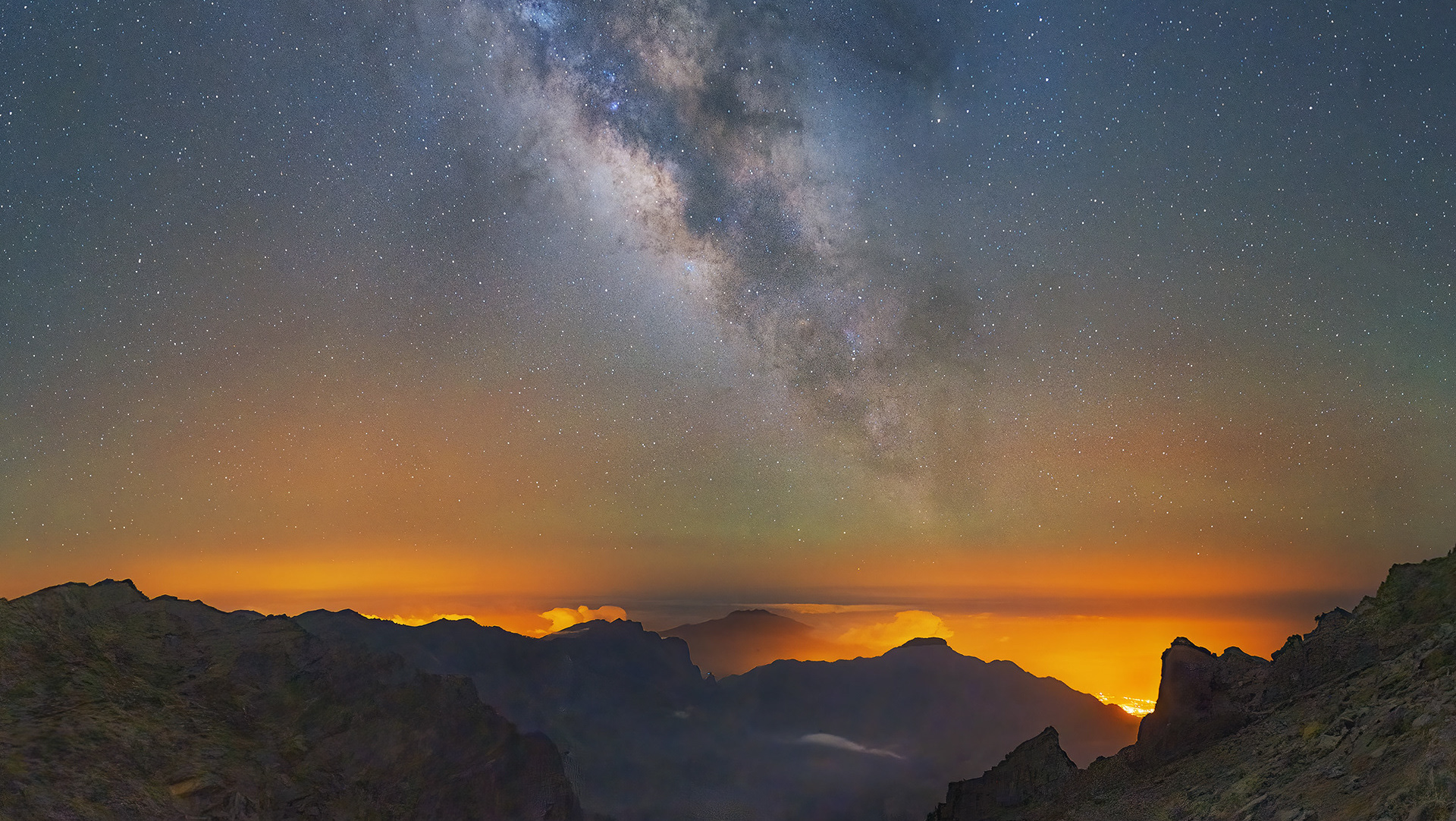
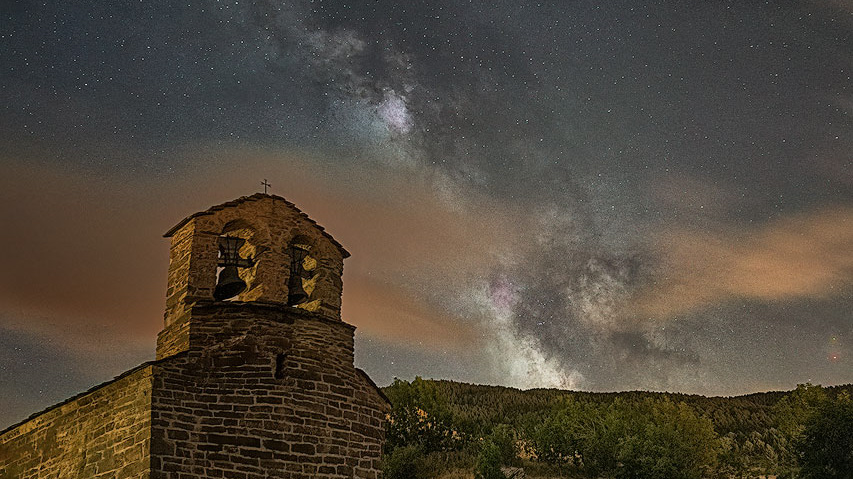
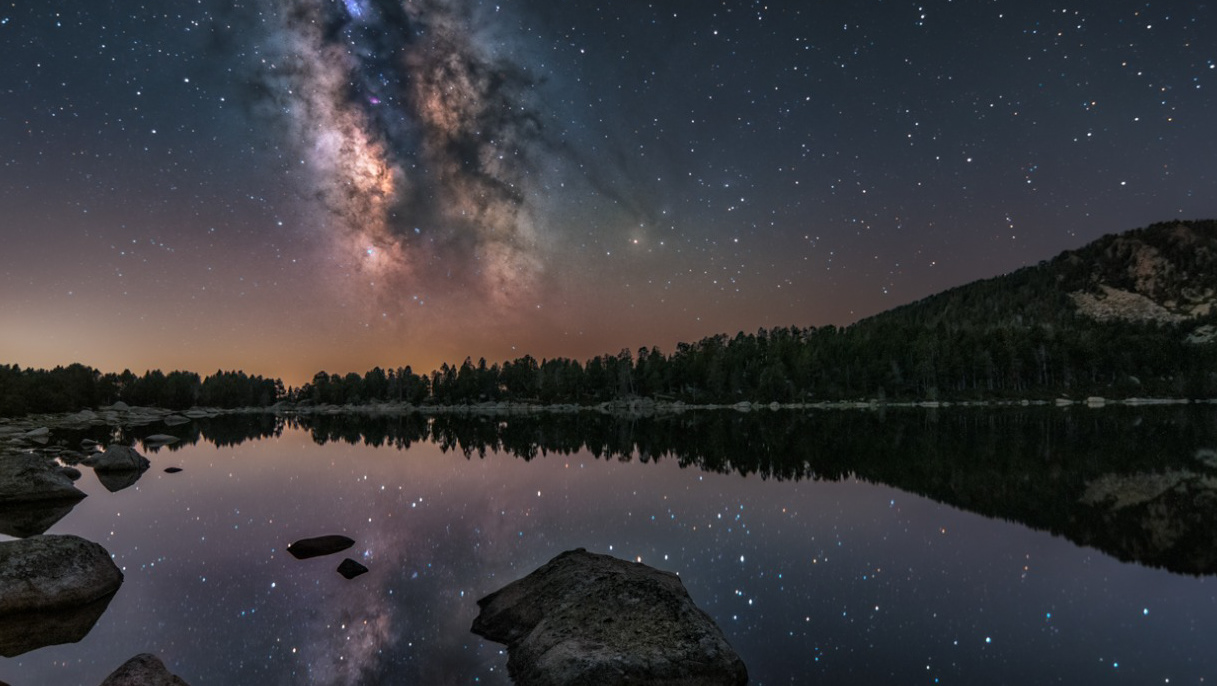
The "Refugi d'Estels" (Shelter of Stars) project continues searching for and helping to preserve the darkest skies with the least light pollution. This time in the paradise of astrophotography. Join us on this incredible photographic journey to the Island of La Palma, the Beautiful Island, during the period from May 11 to 16. With May's New Moon, you'll be able to photograph the Milky Way in all its splendor, the flowering of the Pink Tajinastes, and we'll take you to see the best sunsets on its volcanic coast.

PHOTO TRIP LA PALMA 2026 DESCRIPTION
A 6-day photographic tour under the darkest skies in Europe. La Palma, with exceptional sky quality (Starlight) and UNESCO Biosphere Reserve status, is the perfect setting to capture the Milky Way, unique volcanic landscapes, and unforgettable moments.
We'll photograph at epic locations: Roque de los Muchachos at 2,426m with views over the sea of clouds, Tajogaite Volcano (2021 eruption) with its Martian landscapes, the Fuencaliente Salt Flats with their dramatic contrasts, and the magical Porís de Candelaria, a village hidden in a coastal cave.
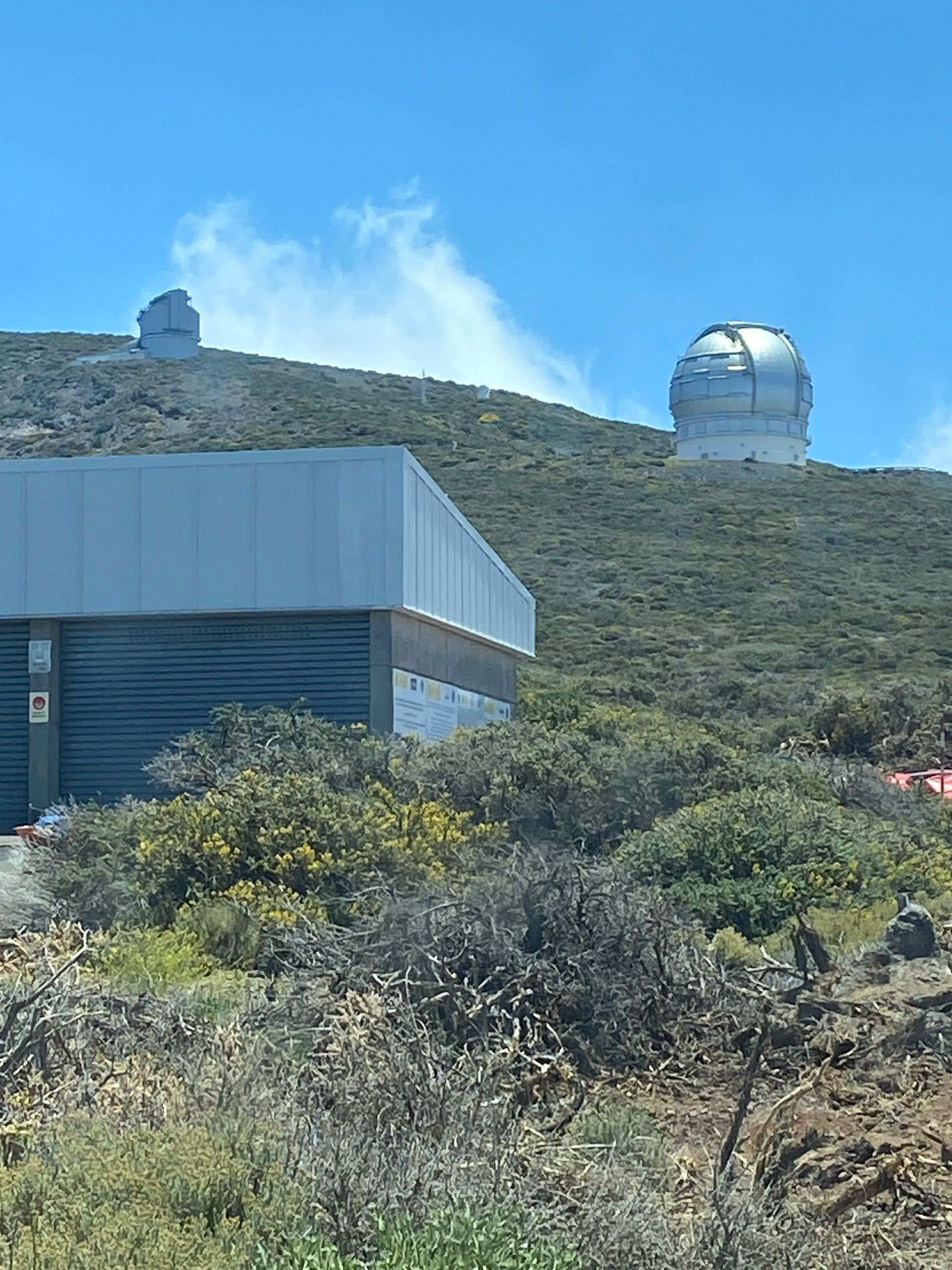
We'll visit the Gran Telescopio Canarias (the world's largest optical telescope) and you'll photograph alongside the most advanced observatories on the planet. We'll also capture the beginning of the endemic tajinastes flowering, unique flowers that only exist here.
We have an exclusive platform reserved at the Roque de los Muchachos Visitor Center to photograph the telescope landscape from this unique viewpoint like you've never imagined.
Maximum 8 participants. Small group for personalized attention, good vibes, and creating friendships that share your passion. No rush or stress, just the natural rhythm of those who photograph with intention.
May: The Ideal Time. Perfect weather (18-23°C), maximum probability of clear skies, spectacular sea of clouds, and beginning of tajinastes flowering. Long days for endless sunsets. fotográfico de 6 días bajo los cielos más oscuros de Europa. La Palma con una calidad de cielos excepcional (Starlight) y Reserva de la Biosfera por la UNESCO, es el escenario perfecto para capturar la Vía Láctea, paisajes volcánicos únicos y momentos inolvidables
Organizer Introduction

Josep Guasch (@weatherSitges_photography), founder of the Refugi d'Estels (Shelter of Stars) project and organizer of this photographic adventure in La Palma, will lead this workshop in one of the most privileged astronomical destinations on the planet.
Josep is a photographer specialized in night astrophotography and nature photography, with a deep passion for capturing the magic of dark skies over mountain landscapes. Through Refugi d'Estels, he documents the beauty and fragility of the natural environments surrounding high mountain refuges, uniting photography, hiking, and environmental awareness.
His work philosophy is based on surrounding himself with the best specialist photographers in each discipline and location. For this workshop, Josep has carefully selected the best collaborators from La Palma, convinced that in each place you should be accompanied by those who know it best. del proyecto Refugi d'Estels y organizador de esta aventura fotográfica en La Palma, liderará este taller en uno de los destinos astronómicos más privilegiados del planeta.
Josep is a photographer specialized in night astrophotography and nature photography, with a deep passion for capturing the magic of dark skies over mountain landscapes. Through Refugi d'Estels, he documents the beauty and fragility of the natural environments surrounding high mountain refuges, uniting photography, hiking, and environmental awareness.
His work philosophy is based on surrounding himself with the best specialist photographers in each discipline and location. For this workshop, Josep has carefully selected the best collaborators from La Palma, convinced that in each place you should be accompanied by those who know it best. del proyecto Refugi d'Estels y organizador de esta aventura fotográfica en La Palma, liderará este taller en uno de los destinos astronómicos más privilegiados del planeta.
Planned itinerary
Day 1 - MONDAY 11th MAY: WELCOME A LA ISLA BONITA & SALINAS DE FUENCALIENTE
We arrive in La Palma and settle into the Hotel Apartamento Las Olas, a 4-star paradise with all amenities (pool, gym, spa, ...). The apartments allow us to manage our meals with total flexibility, something essential given the intense pace of the workshop with night sessions that end in the early morning hours.
In the afternoon we'll hold the initial briefing where we'll go over the detailed program, the techniques we'll work on, and the necessary preparations for each session. Without further delay, we'll head to the beaches near the Fuencaliente Lighthouse for our first sunset session where we'll capture the golden light over the Atlantic, the volcanic rocks, and the historic architecture of the century-old lighthouse.
After a quick dinner at the "El Jardín de la Sal" Restaurant or a picnic in the area—whichever you prefer—we'll conduct the night session at the Fuencaliente Salt Flats, where we'll photograph the contrast between the white salt pyramids, the black volcanic earth, and the blue of the ocean. The historic 1903 Lighthouse will serve as an architectural element for our first coastal astrophotography compositions. We'll work with long exposures to capture the ocean's movement and the Milky Way over the Atlantic.
In the afternoon we'll hold the initial briefing where we'll go over the detailed program, the techniques we'll work on, and the necessary preparations for each session. Without further delay, we'll head to the beaches near the Fuencaliente Lighthouse for our first sunset session where we'll capture the golden light over the Atlantic, the volcanic rocks, and the historic architecture of the century-old lighthouse.
After a quick dinner at the "El Jardín de la Sal" Restaurant or a picnic in the area—whichever you prefer—we'll conduct the night session at the Fuencaliente Salt Flats, where we'll photograph the contrast between the white salt pyramids, the black volcanic earth, and the blue of the ocean. The historic 1903 Lighthouse will serve as an architectural element for our first coastal astrophotography compositions. We'll work with long exposures to capture the ocean's movement and the Milky Way over the Atlantic.


DAY 2 - Tuesday 12h MAY: GTC, COAST & MONUMENTO AL INFINITO.
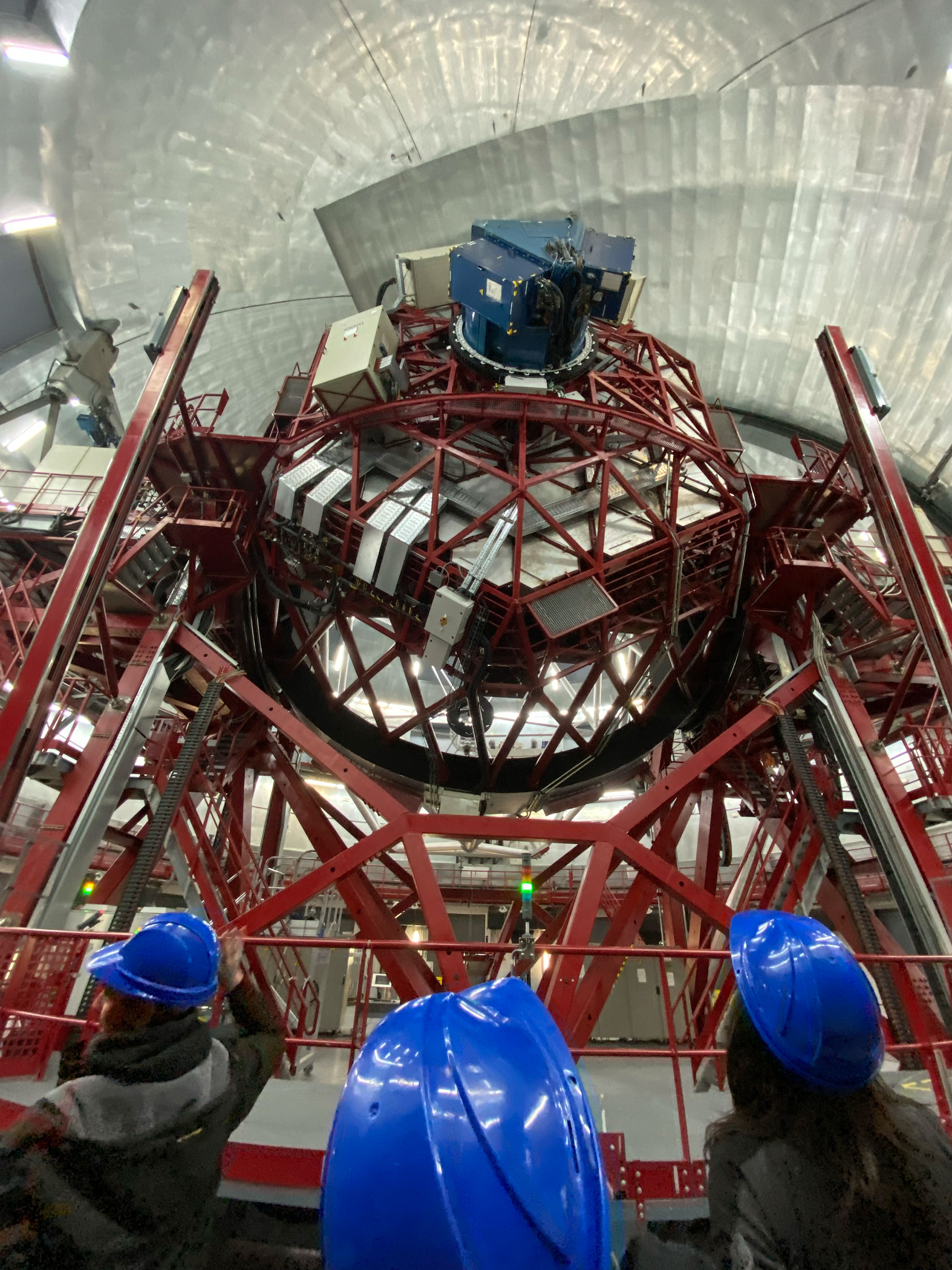
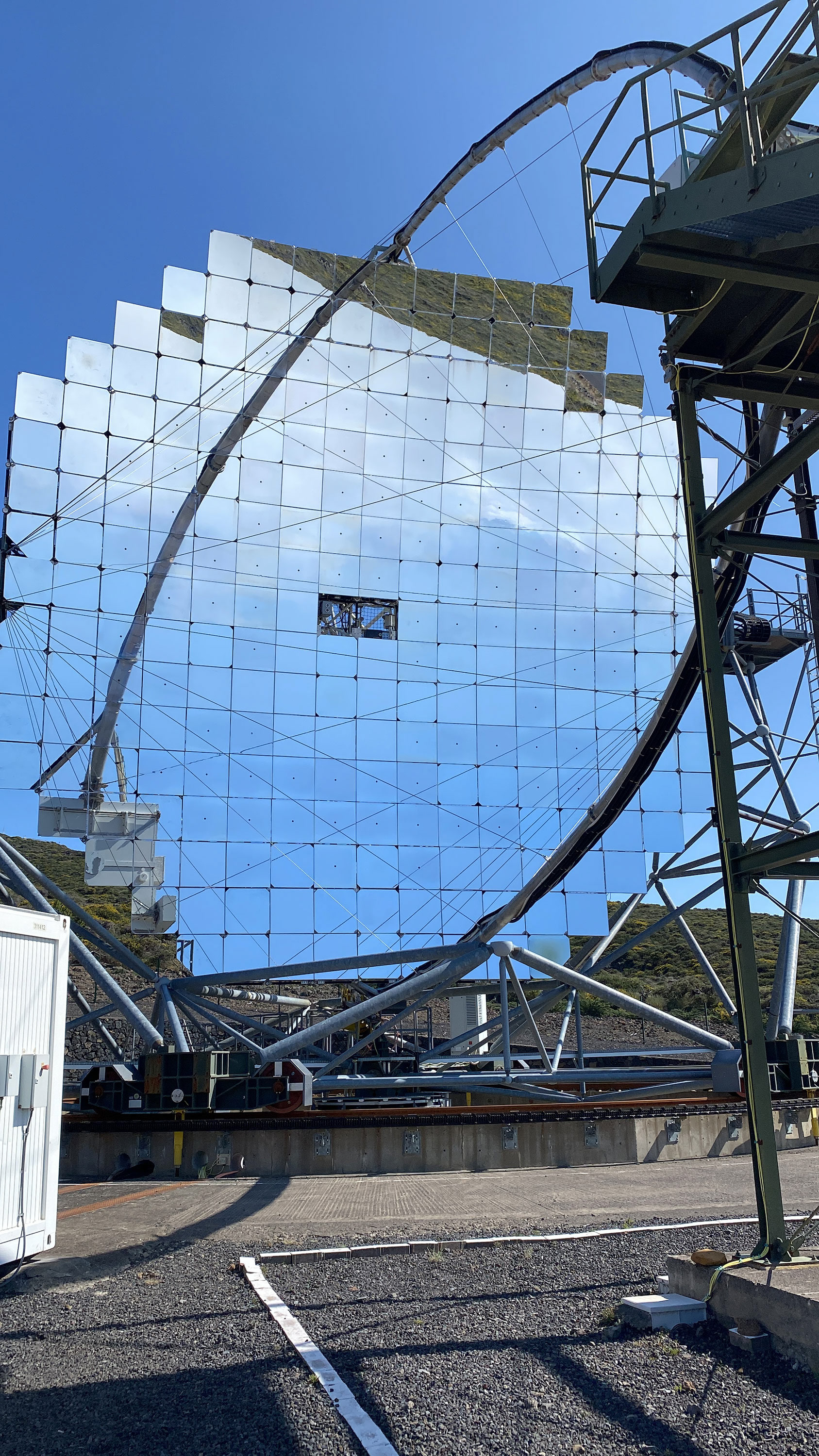
After breakfast we'll head up to the summits to experience a privilege reserved for very few: we'll visit the Gran Telescopio Canarias (Great Canary Telescope), the largest optical eye that humanity has built to look at the cosmos. We'll walk among the MAGIC telescopes, those titanic structures that capture gamma rays from distant galaxies. It's not just a tourist visit; it's understanding the magnitude of the place where we'll be photographing over the coming nights.
At sunset we'll explore La Palma's dramatic coast. Where turquoise water contrasts with black volcanic rock (Charco Azul), or architectural jetties with perfect arches that frame the infinite ocean (Tazacorte Jetty). Each option will offer us unique compositions that only exist on this island.
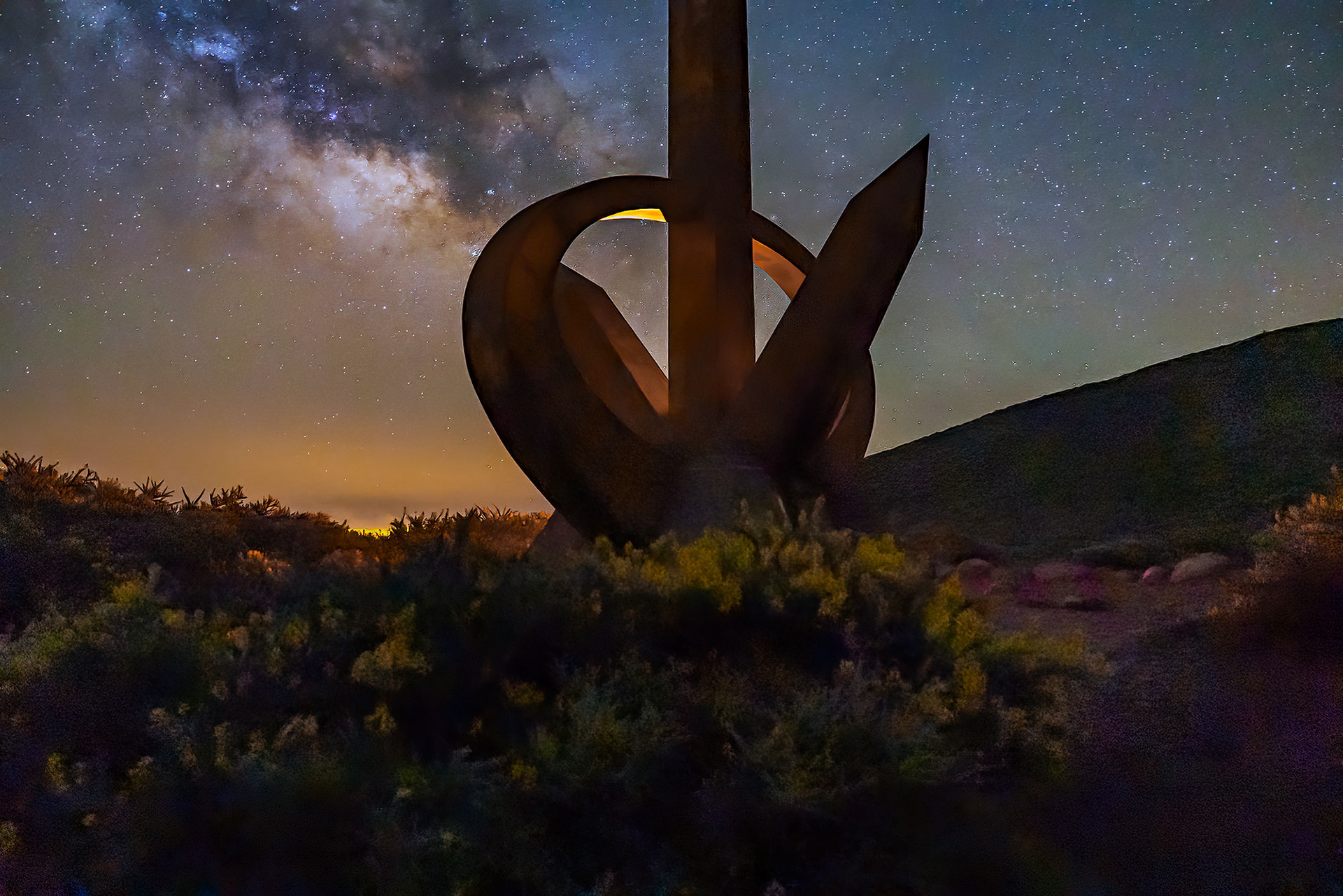
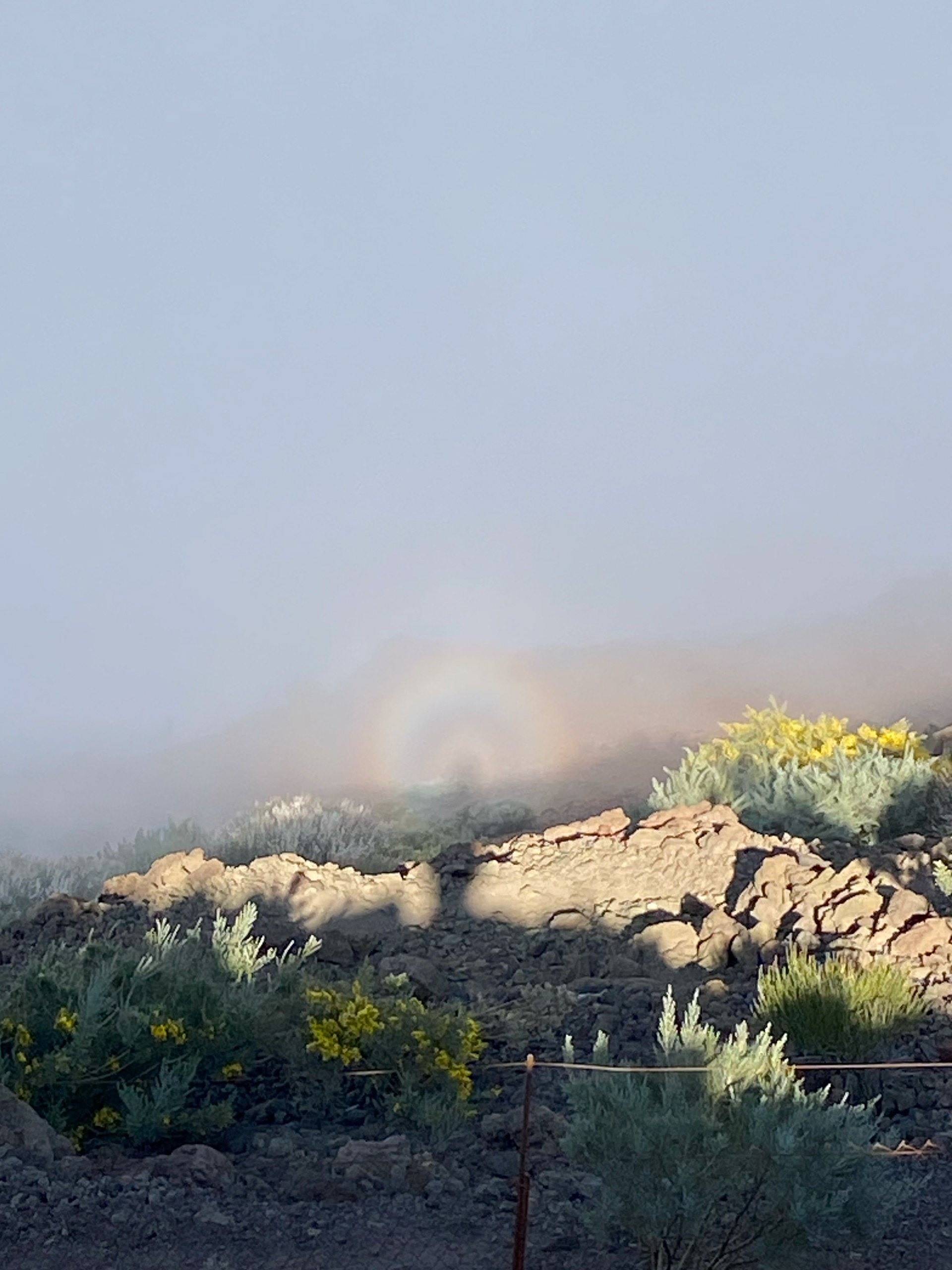
When darkness is absolute, we'll reach the highest point of La Palma: Roque de los Muchachos at 2,426 meters. Next to the Monument to Infinity, surrounded by the domes of the most advanced observatories on the planet, we'll photograph the Milky Way in all its splendor. The skies here are Bortle Class 1 ⭐⭐⭐, the darkest in Europe. Get ready to feel like you can touch the stars with your hands ✨.
At sunset we'll explore La Palma's dramatic coast. Where turquoise water contrasts with black volcanic rock (Charco Azul), or architectural jetties with perfect arches that frame the infinite ocean (Tazacorte Jetty). Each option will offer us unique compositions that only exist on this island.
When darkness is absolute, we'll reach the highest point of La Palma: Roque de los Muchachos at 2,426 meters. Next to the Monument to Infinity, surrounded by the domes of the most advanced observatories on the planet, we'll photograph the Milky Way in all its splendor. The skies here are Bortle Class 1 ⭐⭐⭐, the darkest in Europe. Get ready to feel like you can touch the stars with your hands ✨.


DAY 4 - WENDSDAY 13th MAY: VOLCANO ROUTES AND THE MILKY WAY AT THE SUMMIT
After a well-deserved morning rest, we'll dedicate the afternoon to theoretical training. In the "Astrophotography Processing 1" session, we'll learn how to reveal the secrets our cameras captured the night before: how to extract detail from the galactic center and its nebulae, how to reduce noise without losing stars, and how to stack images.
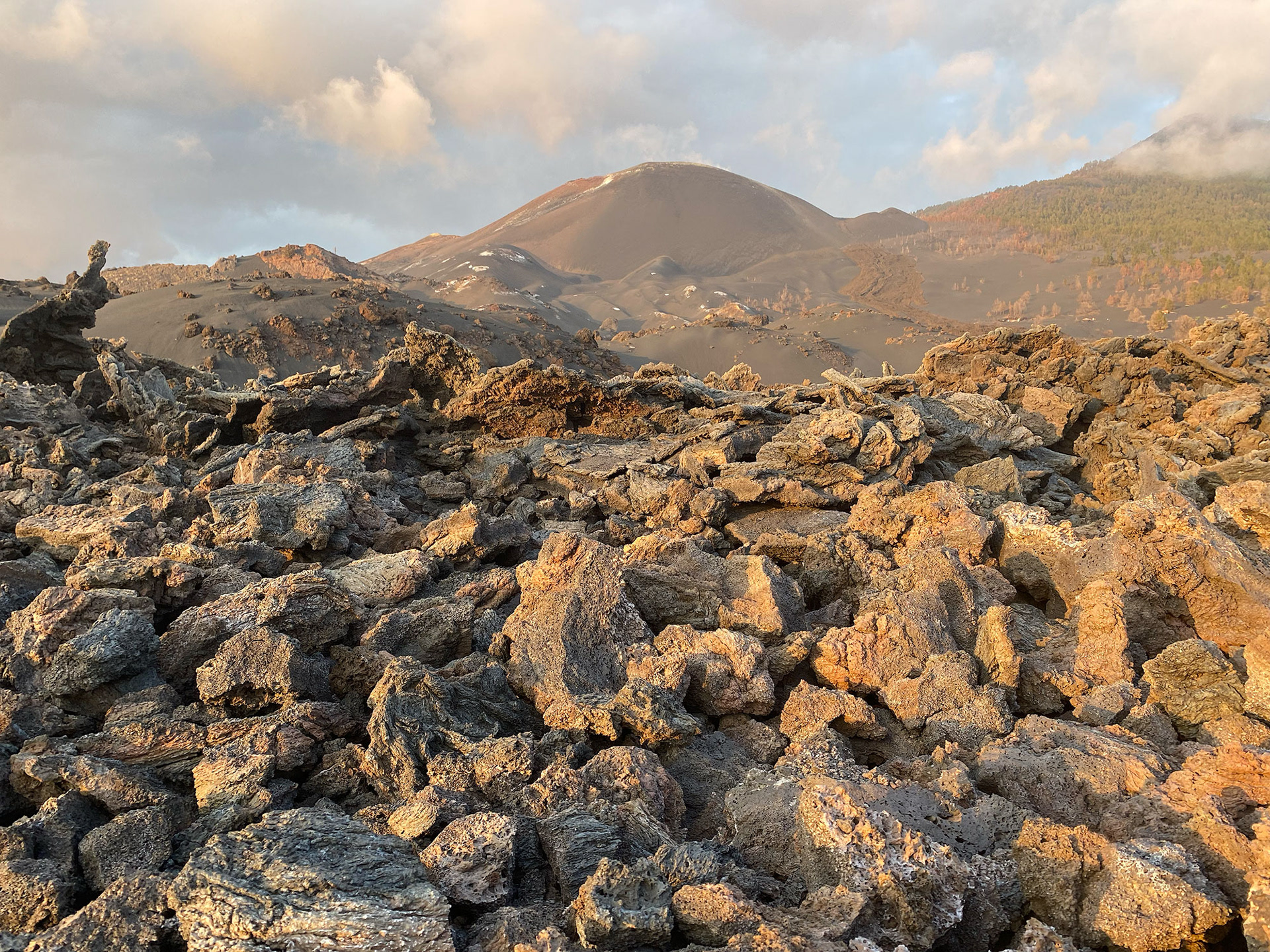
After a short break, we'll head out toward the Volcanoes area, through a landscape that seems straight out of another planet. Rivers of black rock frozen in time, volcanic tubes, and whimsical formations created by nature in its fury. It's an easy hike, but every step will remind us that we're standing on a volcano that completely transformed this valley less than four years ago.
The night session will be at Mirador del Jable and Llano de las Brujas, where we'll photograph the Milky Way over the lunar volcanic landscape, using the geological formations as dramatic foregrounds. It's a unique opportunity: one of the youngest volcanoes in Europe under the darkest skies on the continent.
After a short break, we'll head out toward the Volcanoes area, through a landscape that seems straight out of another planet. Rivers of black rock frozen in time, volcanic tubes, and whimsical formations created by nature in its fury. It's an easy hike, but every step will remind us that we're standing on a volcano that completely transformed this valley less than four years ago.
The night session will be at Mirador del Jable and Llano de las Brujas, where we'll photograph the Milky Way over the lunar volcanic landscape, using the geological formations as dramatic foregrounds. It's a unique opportunity: one of the youngest volcanoes in Europe under the darkest skies on the continent.


DAY 4 -THURSDAY 14th MAY: PORIS & SPOTS BETWEEN TELESCOPES..
Free morning to rest after the intense night session from the previous day. After lunch and in the afternoon, theoretical session: "Astrophotography Processing II", where we'll review everyone's photographs and apply the processing knowledge we'll be acquiring.
At sunset, we'll visit Porís de Candelaria, a village of white houses built inside a natural coastal cave. A volcanic rock arch frames the ocean creating unique architectural compositions that don't exist anywhere else in the world. We'll photograph the integration between traditional architecture, natural formation, and ocean.
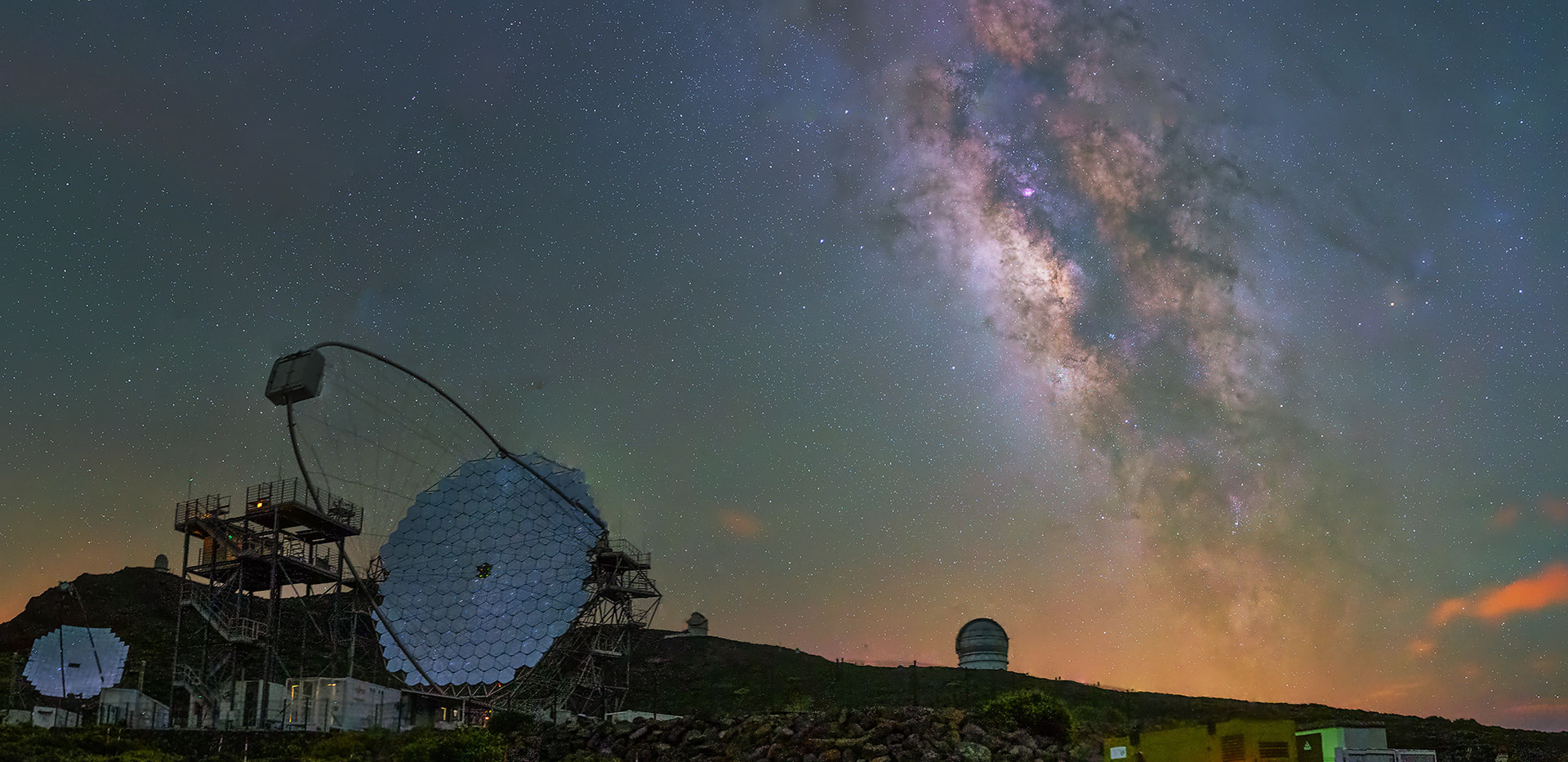
The night session will be at the Telescope Esplanade of Roque de los Muchachos. We'll photograph the Milky Way surrounding the white domes of the observatories, especially the GTC that we'll have visited on the second day. We'll work on compositions that fuse cutting-edge technology with the beauty of the cosmos.
At sunset, we'll visit Porís de Candelaria, a village of white houses built inside a natural coastal cave. A volcanic rock arch frames the ocean creating unique architectural compositions that don't exist anywhere else in the world. We'll photograph the integration between traditional architecture, natural formation, and ocean.
The night session will be at the Telescope Esplanade of Roque de los Muchachos. We'll photograph the Milky Way surrounding the white domes of the observatories, especially the GTC that we'll have visited on the second day. We'll work on compositions that fuse cutting-edge technology with the beauty of the cosmos.

DAY 5 - FRIDAY 15th MAY: TAJINASTES, VISITOR CENTER PLATFOR & MIRADOR DE LOS ANDENES
Free morning for final rest before the last night.
In the afternoon, theoretical session: "Astrophotography Processing III", completing the training program with advanced techniques and professional workflows.
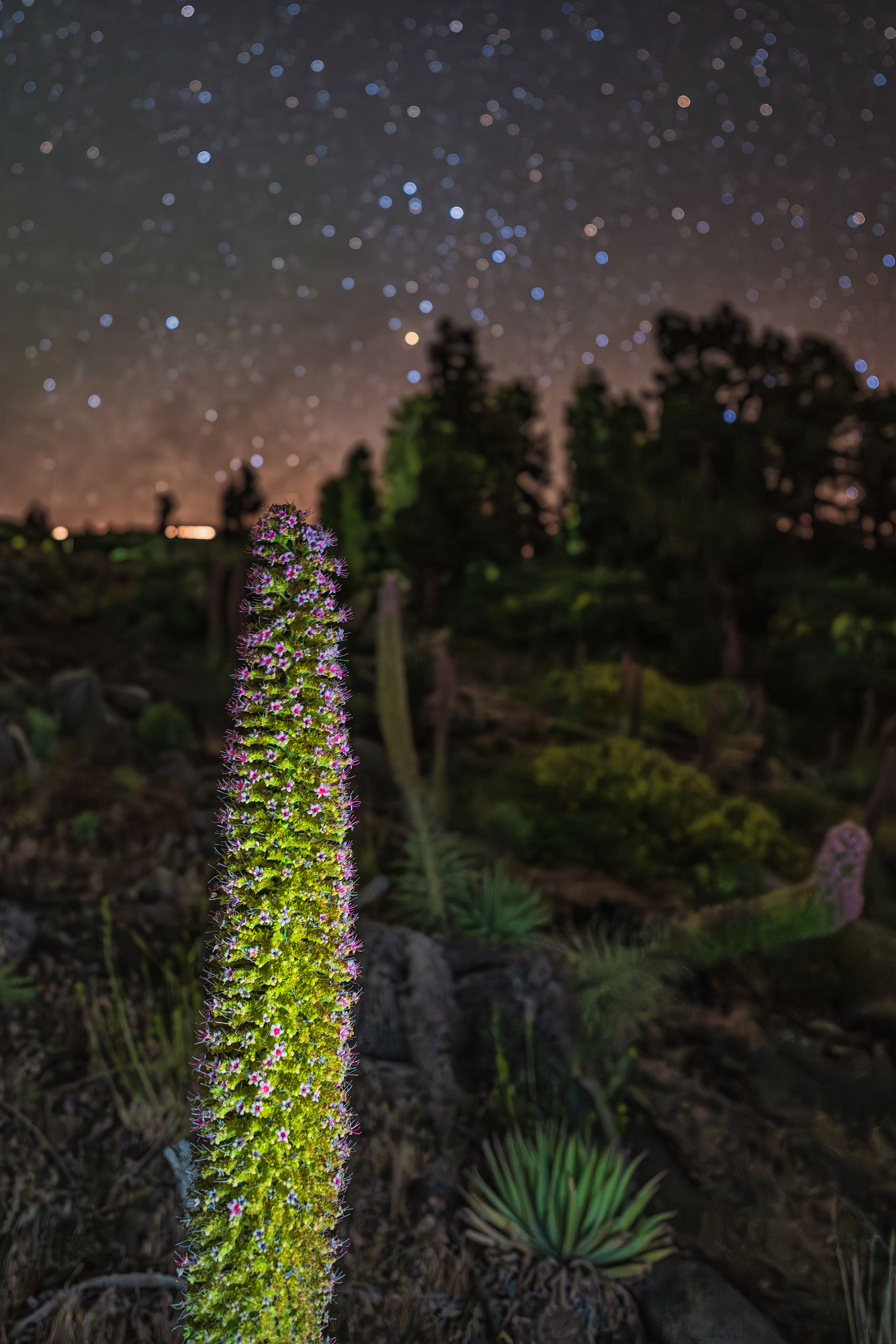
At sunset we'll head up toward Garafía where we'll do the Tajinaste Route. A very special area where we can see an incredible sunset surrounded by Pink Tajinastes (Echium wildpretii ssp. trichosiphon) very close to Roque de los Muchachos. We'll photograph these endemic floral towers up to 3 meters tall during their initial flowering (May). The tajinastes, with their pink and purple tones, offer unique foregrounds under the golden light of sunset.
The night session will be special: we'll have exclusive use of one of the platforms at the Roque de los Muchachos Visitor Center where, with all the comforts, without other photographers or tourists, just us. We'll work from these platforms. Later in the night we'll move to the Mirador de los Andenes and Roberto's Wall where we'll be able to create compositions we've been working on beforehand.
In the afternoon, theoretical session: "Astrophotography Processing III", completing the training program with advanced techniques and professional workflows.
At sunset we'll head up toward Garafía where we'll do the Tajinaste Route. A very special area where we can see an incredible sunset surrounded by Pink Tajinastes (Echium wildpretii ssp. trichosiphon) very close to Roque de los Muchachos. We'll photograph these endemic floral towers up to 3 meters tall during their initial flowering (May). The tajinastes, with their pink and purple tones, offer unique foregrounds under the golden light of sunset.
The night session will be special: we'll have exclusive use of one of the platforms at the Roque de los Muchachos Visitor Center where, with all the comforts, without other photographers or tourists, just us. We'll work from these platforms. Later in the night we'll move to the Mirador de los Andenes and Roberto's Wall where we'll be able to create compositions we've been working on beforehand.


DAY 6 - SATURDAY 16th MAY: CLOSING
Breakfast and free time until check-out. Group farewell.
We leave with thousands of photographs and the experience of having worked in one of the best astrophotography destinations in the world: recent volcanoes, sea of clouds, unique cave-village, 3-meter endemic flowers, and five nights under the darkest skies in Europe, with exclusive access to astronomical platforms on the last night. y tiempo libre hasta el check-out.
We leave with thousands of photographs and the experience of having worked in one of the best astrophotography destinations in the world: recent volcanoes, sea of clouds, unique cave-village, 3-meter endemic flowers, and five nights under the darkest skies in Europe, with exclusive access to astronomical platforms on the last night. y tiempo libre hasta el check-out.
PRECIO: 1.590€
Para formalizar la reserva se deberá hacer un pago de 300€ el resto se deberá pagar 30 días antes de la salida.
✅ What's Included:
✔️ Accommodation in 4* quality apartments for two people shared occupancy
☕ Breakfast included
🚌 Transportation between locations
🔭 Guided tour of the Gran Telescopio Canarias (GTC)
🚌 Hiking route with official guide through the Volcanoes area
📷 Practical photography classes and processing sessions
🛡️ Accident insurance
🚌 Transfer from La Palma Airport (SPC) on arrival
🤝 Small groups = Personalized attention. Maximum 8 people
📷 Access to recorded processing sessions during the workshop en apartamentos de calidad 4* para dos personas uso compartido
☕ Breakfast included
🚌 Transportation between locations
🔭 Guided tour of the Gran Telescopio Canarias (GTC)
🚌 Hiking route with official guide through the Volcanoes area
📷 Practical photography classes and processing sessions
🛡️ Accident insurance
🚌 Transfer from La Palma Airport (SPC) on arrival
🤝 Small groups = Personalized attention. Maximum 8 people
📷 Access to recorded processing sessions during the workshop en apartamentos de calidad 4* para dos personas uso compartido
❌ Not Included
✈️ Flights to/from La Palma
🍔 Meals and drinks, except breakfast
🥤 Travel insurance
❌ Anything not expressly detailed in "included" desde/hacia la Palma
🍔 Meals and drinks, except breakfast
🥤 Travel insurance
❌ Anything not expressly detailed in "included" desde/hacia la Palma
RECOMMENDED PHOTOGRAPHY EQUIPMENT
📷
📷 ESSENTIAL PHOTOGRAPHIC EQUIPMENT
Camera with manual controls (DSLR or mirrorless recommended)
Wide-angle lens (14-24mm or similar) - ESSENTIAL for astrophotography and landscape
Standard lens (24-70mm) - Versatile for different situations
Sturdy, wind-resistant tripod (Our recommendation: Vanguard products)
Quality ball head
Remote trigger or intervalometer
Headlamp with red light - MANDATORY for night sessions (red light doesn't ruin night vision)
Extra batteries (minimum 3-4 per camera) - Cold drains them faster
High-capacity memory cards (64GB or higher, minimum 2)
Battery chargers and USB cable
Wide-angle lens (14-24mm or similar) - ESSENTIAL for astrophotography and landscape
Standard lens (24-70mm) - Versatile for different situations
Sturdy, wind-resistant tripod (Our recommendation: Vanguard products)
Quality ball head
Remote trigger or intervalometer
Headlamp with red light - MANDATORY for night sessions (red light doesn't ruin night vision)
Extra batteries (minimum 3-4 per camera) - Cold drains them faster
High-capacity memory cards (64GB or higher, minimum 2)
Battery chargers and USB cable
📷 OPTIONAL PHOTOGRAPHIC EQUIPMENT
Star tracker - If you have experience using it (We recommend the Nomad from this link using code "REFUGIS" for a 5% discount)
ND and CPL filters
Comfortable camera backpack - With rain protection (Our recommendation: Vanguard products)
Cleaning cloths and blower - Volcanic dust is inevitable
Lens warmer
High-capacity powerbank - For emergency charging
Laptop/tablet - For processing sessions
ND and CPL filters
Comfortable camera backpack - With rain protection (Our recommendation: Vanguard products)
Cleaning cloths and blower - Volcanic dust is inevitable
Lens warmer
High-capacity powerbank - For emergency charging
Laptop/tablet - For processing sessions
🌡️ WEATHER CONSIDERATIONS MAY 2026
Expected Temperatures:
Coast/Hotel (day): 20-23°C ☀️
Coast/Hotel (night): 15-18°C 🌙
Roque de los Muchachos (day): 10-15°C 🏔️
Roque de los Muchachos (night): 0-5°C ❄️ + wind chill factor
Expected Temperatures:
Coast/Hotel (day): 20-23°C ☀️
Coast/Hotel (night): 15-18°C 🌙
Roque de los Muchachos (day): 10-15°C 🏔️
Roque de los Muchachos (night): 0-5°C ❄️ + wind chill factor
RECOMMENDED CLOTHING AND FOOTWEAR
-
Waterproof mountain boots with good sole - ESSENTIAL
Technical mountain socks - 3-4 pairs (avoid cotton)
Layering System for Altitude (Roque de los Muchachos 2,426m)
BASE LAYER:
BASE LAYER:
Long-sleeve thermal shirts (2-3 units) Merino wool or similar
Thermal pants/leggings - Merino wool or similar
Thermal socks
Thermal pants/leggings - Merino wool or similar
Thermal socks
MID LAYER (Insulation):
Thick fleece or lightweight down jacket - ESSENTIAL
Hiking pants - Comfortable and quick-drying (2 pairs)
Warm pants/softshell - For nights at altitude
Hiking pants - Comfortable and quick-drying (2 pairs)
Warm pants/softshell - For nights at altitude
OUTER LAYER (Protection):
Windproof and waterproof jacket (Gore-Tex type) - ESSENTIAL
Waterproof pants (Recommended)
Technical gloves - ESSENTIAL
Wool or fleece hat
Neck gaiter/buff - Additional protection against wind
Sunglasses with UV protection
Waterproof pants (Recommended)
Technical gloves - ESSENTIAL
Wool or fleece hat
Neck gaiter/buff - Additional protection against wind
Sunglasses with UV protection
(You can find any gear at our partner Campbase - Intemperie)